


Talent Mapping: Future-Proofing Your Workforce Before You Need It

Today’s business landscape is always changing. Success depends on more than hiring a good worker. A company must look beyond today’s needs and expect tomorrow’s. This is where talent mapping helps.
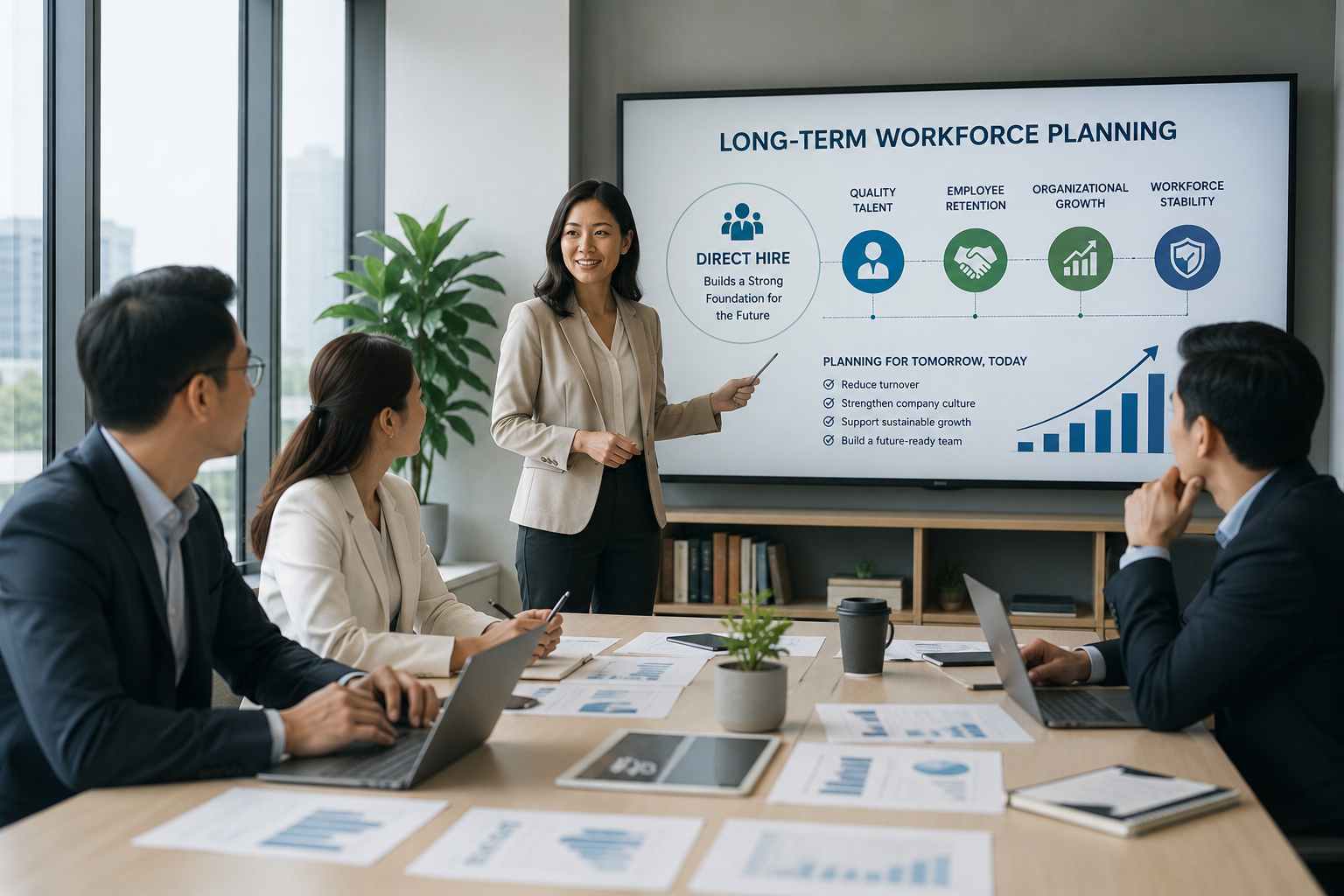
Talent mapping is a proactive approach to workforce planning. It’s a strategic process that assesses current and future talent needs. It identifies the people who can fill those roles. Companies use it to build a comprehensive picture of their talent landscape. This ensures they’re prepared when opportunities or challenges arise.
How Does Talent Mapping Help Future-proof Your Workforce?
Talent mapping helps future-proof the workforce. It gives organizations a clear, proactive understanding of who they’ll need in the future. It also tells companies who can fill those roles when the time comes.
Instead of reacting to vacancies, talent mapping helps businesses anticipate talent gaps. It also helps organizations plan for growth and stay resilient in the face of change.
There are many ways talent mapping future-proofs the workforce. Here are the best ones:
- It anticipates future skill needs. It aligns workforce planning with business goals. This helps identify which skills and roles will become essential in the coming years. The knowledge helps companies train existing employees or start building external pipelines.
- It creates a ready talent pipeline. Through ongoing relationship-building, companies can develop connections with potential candidates. And they do this long before positions open. When the time comes, they know who fits their company’s culture. They also know the applicant’s skill requirements.
- Talent mapping strengthens succession planning. It highlights high-potential internal employees who can grow into leadership roles. This ensures continuity and stability. It also reduces disruption when key team members move on.
- Retention and engagement improve. Employees are more likely to stay when they can see a clear way to move forward in the company. Talent mapping provides visibility into growth opportunities. It also helps HR departments make smart choices about professional development.
- It enhances strategic decision-making. Leaders can make smart hiring decisions when they have precise data on how to assess talent. These moves align with long-term objectives.
- Reduces hiring time and costs. A mapped talent pipeline means a more efficient recruitment process. Companies won’t be scrambling to fill posts.
Talent mapping makes sure that the business always has the right people in the right jobs at the right time. It changes hiring from something that happens after the fact to a long-term plan for the future. It is a process that helps businesses grow and stay strong.
How Does Technology Help with Talent Mapping?
Technology has revolutionized the way talent mapping works. Using data makes the hiring process faster and wiser. Instead of doing research by hand, businesses can now employ AI and digital tools.
Here are the best ways that tech can help with talent mapping:
- Getting and Looking at Data. Advanced HR software can get information from several places. LinkedIn, job boards, and professional networks are a few examples. These sources can help businesses obtain a better idea of the job market as a whole. This helps recruiters find patterns, skill gaps, and new trends with great accuracy.
- Predictive Analytics: AI-driven systems can predict workforce changes. It can use performance measures to forecast how many people will need to be hired in the future. This information helps companies prepare for potential job openings before they happen.
- Platforms for Talent Intelligence: Some software lets recruiters see a candidate’s data in real time. LinkedIn Talent Insights is one example. These tools inform recruiters about where they work, their skills, and their location. The information helps businesses decide who to go after and when.
- Automation and Efficiency: Tools for automating recruitment make processes, like matching candidates, easier. These tools can also help in communication. This offers recruiters more time to create connections with talented people.
- AI-Powered Candidate Matching: AI can look through online profiles and resumes. It can find people who are a good fit for a job based on their needs. It can do this even if those people aren’t actively hunting for new jobs. This makes sure that businesses don’t miss out on the best passive talent.
Modern talent mapping is based on technology. It gives businesses the power to make decisions based on data. It reaches the right people faster and builds long-term relationships with top performers.
Before You Go Parker Beth does more than fill roles; our company future-proofs organizations. Our skilled recruiters help firms find their best workers. We provide customized services and new ways to hire people. We can help you hire people in accountancy, construction, and IT. If you need executive leaders or specialist professionals, you should call us. Contact us today so we can work together to establish a strong workforce.