
How Do Direct Hire Jobs Differ from Contract To Hire?

Direct hire and contract to hire roles differ in employment terms and long-term commitment. Direct hire employees are hired as permanent staff from day one. Contract to hire employees start temporarily and may become permanent. Understanding these differences helps employers choose the right hiring approach. Job seekers can also better understand what to expect from each opportunity.
Key Takeaways
- Direct hire roles are permanent from day one of employment.
- Temporary assignments on a contract to hire basis can lead to permanent positions.
- Employers choose different hiring models based on their business needs. Budgets and workforce planning also influence their decision.
- A recruiter can help an employer decide which option is best for a particular role.
- Both hiring methods can attract qualified candidates when expectations are clear.
Direct Hire vs Contract to Hire: Key Differences Employers Should Know
Understanding the differences between direct hire and contract to hire is important. It helps organizations choose the right hiring approach. Both methods are used to fill open positions. However, they differ in employment status, hiring timelines, and long-term commitment. A direct hire employee is hired directly by the company. They become a permanent employee once the job offer is accepted.
How Direct Hire and Contract to Hire Work
Direct hiring is used for long-term positions. These roles require ongoing support and investment. Companies hire permanent employees to fill these needs. In contrast, contract to hire roles begin as temporary positions. Workers are usually hired through a staffing firm and may become permanent employees. The employer decides on permanent employment based on performance and fit.
What is Contract To Hire?
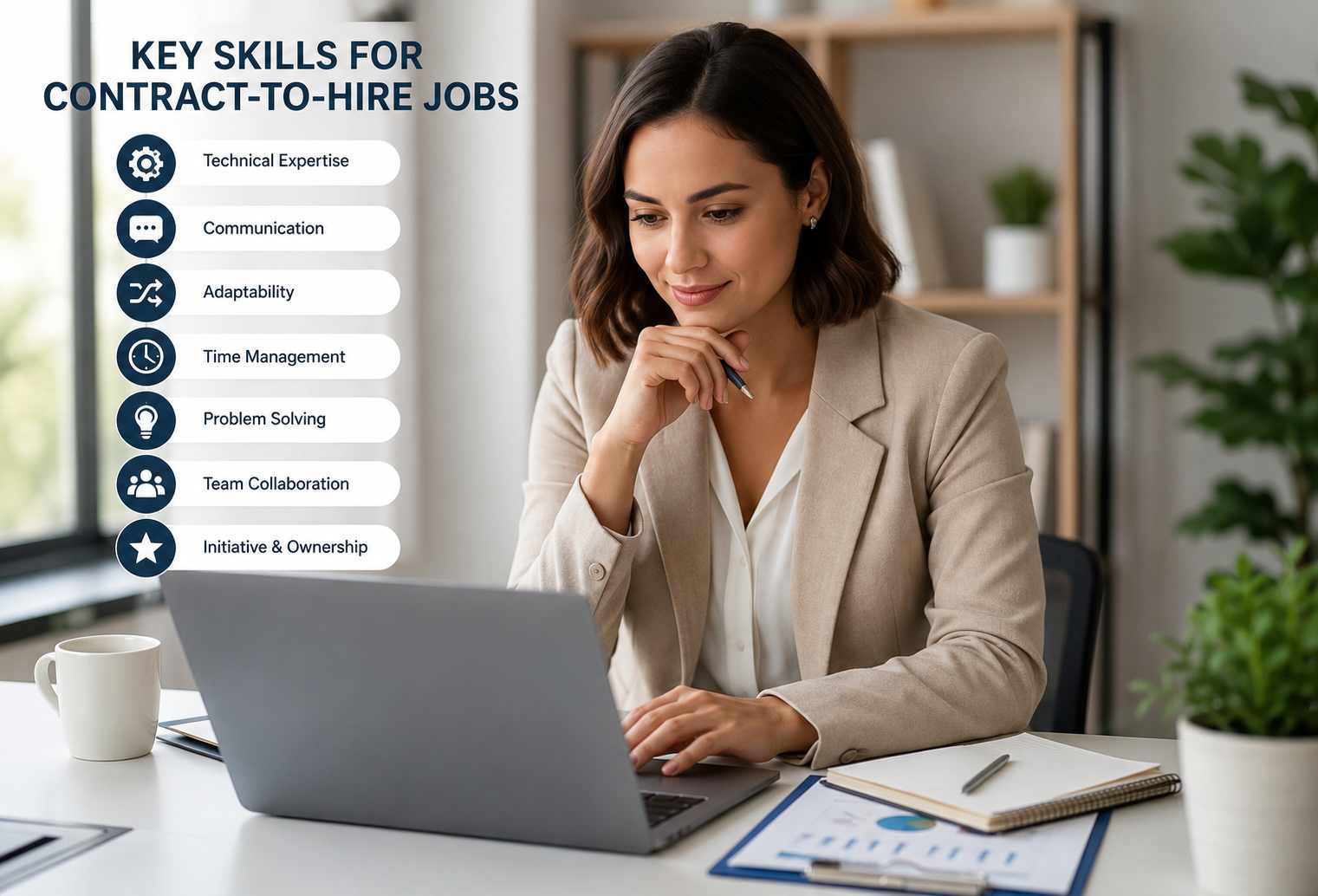
What is a contract to hire, and how does it differ from temp staffing? A contract-to-hire arrangement offers temporary employment with the potential for permanent hire. The employee works under a fixed-term contract. The contract may last from a few weeks to several months, depending on business needs. The contract concludes with the employer choosing to offer permanent employment.
Unlike temporary staffing, contract to hire roles offer the chance for permanent employment. It lets both employers and employees assess the long-term fit. Organizations often use contract to hire when workforce needs are uncertain. It is also common for growing projects. It gives employers more time before making a permanent hiring decision.
When It’s Better to Hire Directly
Direct hire is ideal for companies seeking long-term employees. This type of hiring is common for leadership roles. It is also used for specialized technical positions. These roles often require extensive onboarding or company-specific knowledge.
Direct hire is favored for typical cases such as:
- Lacking in key leadership or management roles.
- Hiring Employees for Long Term Organizational Growth.
- Finding applicants with specialized expertise.
- Use permanent employment to reduce staff turnover.
Many organizations use recruiting agencies to find long-term talent. Recruiters also source, screen, interview, and evaluate candidates to streamline hiring. Parker Beth publishes recruitment insights for employers. These resources explain staffing approaches, including direct hire and contract-to-hire strategies. This guide on contract-to-hire provides more information about this hiring approach.
Advantages of Contract to Hire for Employers
A contract-to-hire arrangement offers hiring flexibility. It lets businesses evaluate an employee during the contract period. They can then decide whether to offer a permanent full-time position.
Potential benefits include:
- Reduced danger of hiring before permanent employment.
- More time to examine technical and interpersonal skills.
- More flexibility during times of business expansion.
- Easier workforce planning for changing project needs.
This works well for businesses with seasonal demand, changing workloads, or restructuring. Many staffing experts recommend this approach for balancing hiring flexibility and long-term stability. Labor market data helps employers adapt their hiring strategies to changing workforce needs.
Frequently Asked Questions
1. What is a contract to hire?
Contract-to-hire starts as temporary employment. Employees may become full-time after a successful evaluation period.
2. What is a direct hire?
A direct hire position is a permanent role with the company.
3. Which hiring model is best for the employer?
The best choice depends on hiring goals. Direct hire is ideal for long-term roles. Contract-to-hire offers flexibility by allowing employers to evaluate candidates first.
4. Is there a recruiting agency that can help with both hiring methods?
Yes. A recruiting agency helps employers find and screen candidates. It can also place them in direct hire and contract-to-hire roles.
5. How long is the typical contract-to-hire period?
Contract length varies by employer and position. It usually lasts a few weeks to several months before a permanent hiring decision is made.