



How Do Hybrid Work Trends Affect Recruitment?
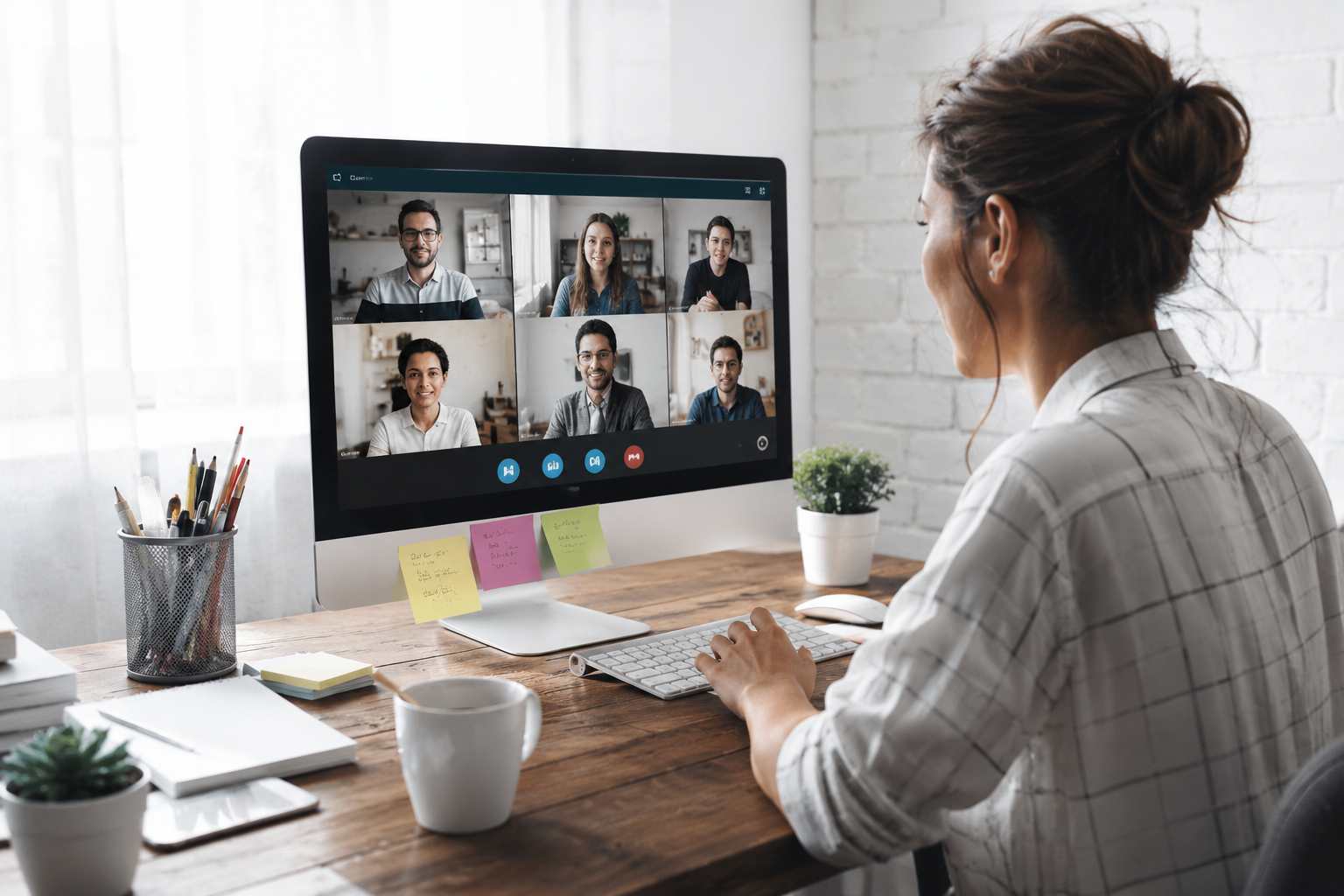
Hybrid employment is increasing access to talent and creating a healthy level of competitiveness. Candidate expectations are also changing due to recruiting practices. Employers are modifying hiring methods to evaluate remote collaboration skills. They offer more flexibility in work and improve the digital processes of recruitment. Companies today are battling for talent as hybrid work is here to stay.
Key Insights
- For hybrid work, the company can find talent beyond the local area. This allows companies to gain access to specialist knowledge. They can do this without having to relocate candidates.
- Job seekers also place greater importance on flexibility when they explore opportunities.
- More companies are using digital interviews and assessment strategies in their recruitment. Companies are shunning proximity or traditional credentials.
- HR managers are at the forefront of remote communication skills and technology competence.
- Job adverts for hybrid work arrangements are drawing more candidates. More on-site roles are being disregarded.
Recruitment Insights in a Hybrid World: Challenges and Opportunities
Hybrid recruitment trends are changing hiring and workforce planning. Hybrid work is creating new recruitment opportunities. It’s also introducing challenges that employers must address to remain competitive.
- Expanded Access to Qualified Talent
One of the biggest effects of hybrid work is the expansion of available talent. Companies like Parker Beth can recruit people who live outside their immediate area. These workers don’t have to deal with daily office attendance.
This bigger talent pool is a plus for firms seeking specialized skills. It’s also great for hard-to-fill positions. It opens up more opportunities for candidates, regardless of where they live. Employers might find more competition. Other companies can also recruit from the same expanded market.
- Changing Candidate Expectations
More job seekers are evaluating employers based on workplace flexibility. For many professionals, hybrid work is an important benefit. It’s no longer looked on as a temporary arrangement.
Candidates looking for hybrid work need information on:
- Number of required office days
- Flexible scheduling options
- Home office support
- Technology provided for remote work
- Communication and collaboration practices
Organizations that can provide clear answers to these concerns can improve candidate experience.
Recruitment Processes Are Becoming More Digital
Hybrid recruitment depends more on technology throughout the hiring process. Standard procedures used now include virtual interviews, online skills tests, and video introductions. Companies are also using electronic signatures and digital onboarding solutions.
Newer technologies enable recruiters to screen candidates better. It also cuts down on travel and scheduling problems. The employer must guarantee that technology delivers a fair and accessible hiring experience.
Hiring Managers Are Looking Beyond Technical Skills
Technical skills are still the most important hiring factor. But hybrid work demands extra competencies. More recruiters are screening prospects for communication skills and time management skills. They’re looking for people adept at online collaboration. They want candidates who are flexible, responsible, and good at problem-solving.
Employer Branding Counts
A strong brand gives companies a competitive advantage in the crowded job search market. Many candidates look at the corporate culture and leadership style before applying. Employee ratings and organizational flexibility also factor into job seeker decisions.
Employers can improve recruitment by:
- Explaining mixed work policies clearly
- Celebrating success stories of employees
- Demonstrating commitment to professional development
- Diversity and inclusion programs
- Transparency in recruitment.
A genuine message enables candidates to determine if their goals align with the organization.
Frequently Asked Questions
How are hybrid job search trends changing recruitment?
Hybrid employment is changing how companies access talent. It’s also changing the expectations of applicants about work. It’s also raising the bar for talented professionals. Hybrid recruitment insights are showing that companies must change their employment process.
Why do applicants love hybrid roles?
Many people enjoy the flexibility and work-life balance that hybrid employment can deliver. Plus, job hopefuls want to work closer to home. This allows them to have more independence.
What do hybrid workers need to thrive?
Employers want staff to show communication, teamwork, and adaptability. They desire self-motivated people who are good at managing their time. They’re also seeking tech-savvy people. They want applicants who are good with digital workplace tools.
How is hybrid recruitment changing?
Virtual interviews and online assessments are now part of the recruitment process. This is thanks to technology. It’s also through it that digital onboarding is now common. Applicant tracking systems and remote collaboration are also making HR jobs easier.
What are the biggest recruitment challenges in a hybrid workplace?
The hardest challenge is finding good people in a competitive market. It’s also difficult to keep employees engaged. Remote job skills also need more time and effort in onboarding and assessment. Another challenge is the transparent communication that hybrid work demands.